What Are Branded Environments?
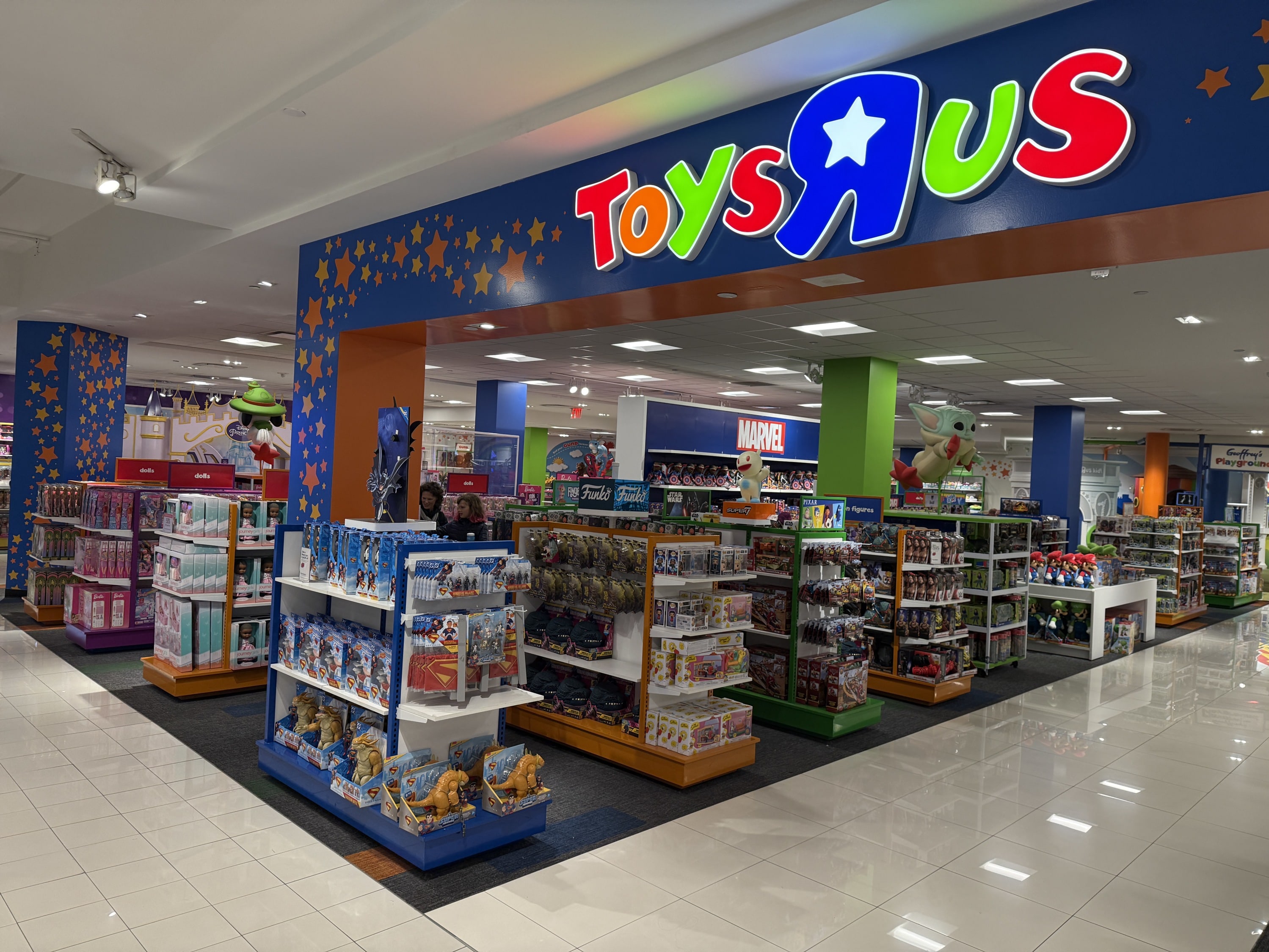
Walk into a store, restaurant, or hospitality space that feels intentional—where every fixture, material, and sightline works together—and you’re experiencing a branded environment. A branded environment is more than a physical space. It’s a strategic combination of layout, materials, lighting, and customer flow that brings a brand to life in the real world. When done right, it doesn’t just look good—it influences how people move, interact, and ultimately make purchasing decisions. In today’s competitive landscape, physical brand experience plays a critical role in how customers perceive and trust a brand. A strong branded environment creates something powerful: instant recognition and trust. As Kevin Hughes, Executive Director of Business Development and Strategic Marketing, explains, customers should be able to walk into a space and immediately know where they are—even without signage. This consistency is especially important across multiple locations. Customers don’t just recognize a brand visually—they recognize: How the space is laid out Where products are located How the environment feels That familiarity reduces friction and builds confidence in the buying experience. Branded environments exist anywhere a brand interacts with people in physical space. Retail stores and showrooms designed for product discovery and conversion Restaurant environments built for flow, efficiency, and guest experience Airport and high-traffic environments requiring durability and speed Hospitality and experiential spaces focused on immersion and engagement 👉 Learn more about how these principles applied to Sokit Beauty's Flagship store 👉 Explore how they shape restaurant environments High-performing environments are intentionally designed. They balance aesthetics, functionality, and human behavior. 1. Layout and Customer Flow A well-designed space guides movement naturally. As designer Stephanie Barragan explains, flow should never feel forced—it should follow a logical sequence based on how customers shop. Clear paths, visibility across the space, and thoughtful product placement all reduce overwhelm and improve engagement. Why is reducing overwhelm so important? According to Customer Experience Drive, customers who feel overwhelmed or experience "decision stress" are highly likely to leave a store without making a purchase. When customers are bombarded with too many choices, high-pressure sales tactics, or a chaotic environment, they often experience a "fight or flight" response, leading them to abandon their carts and leave. 2. Lighting and Visual Attraction Lighting is often the first thing customers notice. Florescent or blue tinted lighting, for example, can make customers feel like they are in a sterile environment (think: hospital, rehab facility or veterinary office). That's not an environment that customers want to stay and linger in. Warm, ambient lighting helps create a cozy feeling - encouraging customers to stay and browse your merchandise. It can even encourage people to try clothes on, which significantly increases the likelihood of purchasing them. From exterior visibility to in-store focal points, lighting: Highlights key products Sets the mood Influences how long customers stay 3. Materials and Brand Expression Materials communicate brand identity without words. Warm tones and layered materials → premium, inviting Minimal finishes → clean, modern Durable materials → high-traffic performance As Stephanie notes, materials define the tone before a customer even interacts with a product. This is apparent in a brand like CHAGEE - a premium Chinese teahouse chain, specializing in modern, high-quality "tea lattes." They feature fresh milk and premium tea leaves, aimed at providing a sophisticated, healthy alternative to sugary bubble tea, often marketed as the "Starbucks of tea. This brand narrative is conveyed to customers through the store's interior design, which features warm wood slatted walls, custom light fixtures, and rich gold tones. CHAGGEE doesn't need to tell customers they are high-end because customers can feel it when they walk in. That, in essence, is the power of a branded environment. 4. Fixtures That Guide Interaction Fixtures aren’t just functional—they shape how customers engage with products. Retail fixtures—such as shelves, mannequins, and display racks—shape shopping habits by guiding traffic flow, boosting product visibility, and creating psychological triggers that increase dwell time and impulse purchases. Strategic fixture placement enhances brand storytelling and product interaction, transforming browsing into an immersive experience. In short, they control: Sightlines Accessibility Product visibility Traffic flow Dwell Time Purchasing triggers At the same time, they must balance design and usability—because while a retail space ultimately needs to support shopping, it also needs to look great. 👉 Learn how we used branded fixtures in Stanley Stella's showroom 5. Consistency and Predictability One of the most overlooked elements of a branded environment is consistency. According to Forbes.com, a 2022 global survey revealed that despite the rise of e-commerce, consumers still value the unique experience that only brick-and-mortar stores can deliver. For retailers, this makes mastering store layout more important than ever. Consistent layouts allow shoppers to intuitively navigate, which reduces frustration and promotes longer browsing times, ultimately boosting sales and encouraging repeat visits. Customers value knowing: Where products are located How the space is organized What to expect across locations This is especially critical for multi-location brands, where consistency drives both efficiency and trust. Brands like The North Face layout products by category while brands like Target go one step further and use the same floor plan in almost all of their locations. Not every space needs to be replicated across locations. There’s an important distinction between: Branded environments → consistent, repeatable, scalable Custom environments → unique, one-of-a-kind experiences As Kevin Hughes explains, even a one-off space can be powerful if it’s memorable and intentional. Both approaches play a role—depending on the brand’s goals Master Chorale's workspace in LA is an exceptional example of a custom environment. "When Master Chorale approached us to redesign their office, the focus wasn't on brand recognition. They wanted people to walk-in and really be 'wowed' by the space in the same way they are 'wowed' by their music. I think we accomplished that with all the custom woodwork," said Kevin Hughes. A successful branded environment requires alignment across every phase: Design Engineering Fabrication Installation When these are disconnected, problems arise—designs that look great on paper but don’t function in reality. An integrated approach ensures: Feasibility Consistency Real-world performance 👉 See how this comes together through our installation process Branded environments don’t live in theory—they operate in high-traffic, real-world conditions. That means designing for: Durability Efficiency Timeline constraints Multi-location scalability From retail stores to restaurants, success depends on how well the space performs—not just how it looks.
What Are Branded Environments?
What Is a Branded Environment? How Physical Spaces Shape Customer Experience
Why Branded Environments Matter
Where Branded Environments Show Up
The Key Elements of an Effective Branded Environment
Branded vs. Custom Environments (Important Distinction)
From Concept to Reality (Full-Service Value)
Built for Real-World Performance
Images